Costing a DIY Perfume: How to Estimate Price per Batch (and Spot Expensive Ingredients Fast)
Why underestimating cost and wasting expensive materials hurt—and how predicted cost plus ingredient prices and currencies fix both.
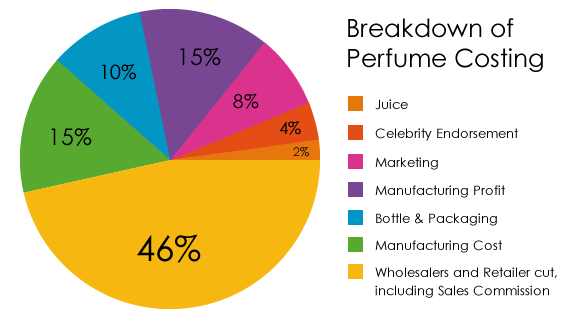
You've built a formula you love. You're ready to scale it—but how much will a 50 g batch actually cost? You guess, you batch it, and the number surprises you: way over budget, or you've burned through a precious material without realizing it. One expensive natural at 2% can dominate the cost; a cheap base can make the whole thing affordable. Without visibility, you're flying blind.
I kept underestimating cost—and wasting expensive materials because I didn't see which ingredients were driving the price.
— The pain every DIY perfumer hits
Costing a DIY perfume doesn't have to be guesswork. When you store ingredient prices (and choose your currency), a formulation tool can predict the cost per batch and show which ingredients cost the most. This guide explains how to estimate price per batch and spot expensive ingredients fast—so you stay on budget and stop wasting precious materials.
Why underestimating cost and wasting materials hurt
When you don't know the cost of a batch, you either underprice (and lose money) or overprice (and lose customers). When you don't know which ingredients are expensive, you use a precious material at 5% when 1% would do—or you skimp on the wrong thing and the fragrance suffers. Visibility into cost and per-ingredient contribution fixes both: you set a target price, you see the total, and you see where the money goes.
What you need to cost a batch
To estimate price per batch you need: a price per ingredient (per gram or per unit, in your currency), the amount of each ingredient in the batch, and a way to multiply and sum. Manual spreadsheets work until they don't—you forget to update a price, you mix currencies, or you scale the formula and forget to recalc. A tool that stores prices in the ingredient library and computes cost as you build the formula removes the guesswork.
Ingredient prices and currencies
Store the price per gram (or per ml) for each ingredient in your library. Use one currency (e.g. USD, EUR) so all formulas are comparable. When you add an ingredient to a formula, the app multiplies price × weight and adds it to the batch total. Change a price in the library, and every formula that uses it reflects the new cost. No duplicate spreadsheets, no mixed currencies.
Predicted cost per batch
As you build or scale a formula, the tool can show predicted cost for the current batch size. You see the total before you make a single drop. Scale to 10 g, 50 g, or 500 g—the cost updates. That way you know whether a batch is within budget before you commit materials.
Spotting expensive ingredients fast
Not all ingredients contribute equally to cost. A 2% natural might account for 40% of the batch cost; a 30% base might be cheap. A good costing view shows cost per ingredient (or cost share) so you can see which materials drive the price. Then you can reduce the expensive one, swap to a more affordable alternative, or accept the cost consciously—instead of discovering it after the batch is made.
Example: where the money goes
Consider a simple 10g floral formula: 30% ethanol ($0.05), 25% hedione ($0.50), 20% linalool ($0.30), 15% rose absolute ($7.50), 10% musk blend ($0.40). Total: $8.75. The rose at just 15% accounts for 86% of the cost. Knowing this, you might try a rose reconstruction at 1/10th the price—or keep the real thing and price accordingly.
Pricing for sale
If you plan to sell, raw material cost is just the start. Factor in bottles, labels, labor, testing, and margin. A common rule: retail price should be 4-10x raw material cost, depending on your market and overhead.
How Perfume Workbench handles costing
Perfume Workbench is built for this. Set a price (and currency) per ingredient in your library. In any formula, you see predicted cost for the current batch size, and you can see which ingredients contribute the most to cost. Change the batch size or swap an ingredient, and the cost updates. No spreadsheets, no mixed currencies—just one place for prices and one view for predicted cost and expensive ingredients.
Try it
Add prices to your ingredients in Perfume Workbench (and pick your currency). Then open a formula and check the predicted cost. See which ingredients drive the price—and adjust your formula or batch size until the cost fits your budget. It's the fastest way to estimate price per batch and stop wasting expensive materials.