Perfume Formulation Software: A Practical Comparison
A practical comparison of perfume formulation tools — Formulair, spreadsheets, calculators, and Perfume Workbench — and what matters when choosing software.
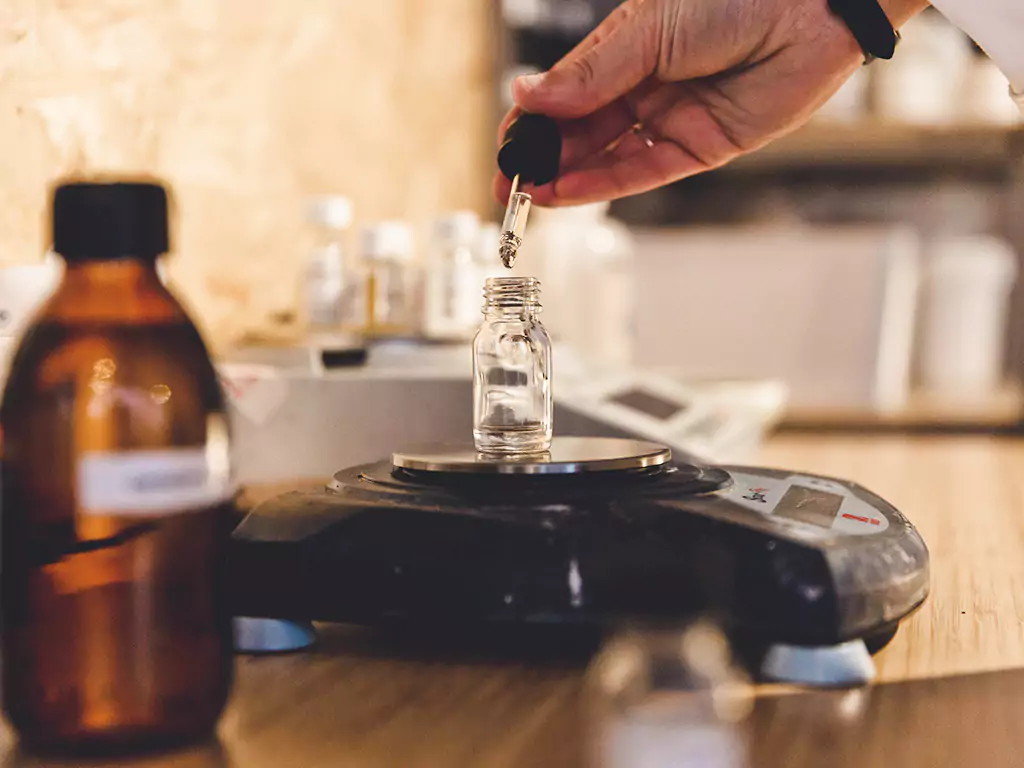
As perfumery becomes more precise and more experimental at the same time, many perfumers start looking beyond spreadsheets and basic calculators. Formula scaling, ingredient tracking, and consistency quickly become difficult to manage manually.
Today, there are several tools used by perfumers — each with different philosophies and trade-offs. This article looks at the most common options and how they compare in real-world use.
What Matters in Perfume Software
Regardless of experience level, most perfumers eventually need:
- Reliable percentage and gram calculations
- Predictable scaling without ratio drift
- A structured way to manage ingredients and dilutions
- Some form of IFRA awareness
- The ability to reuse parts of formulas (accords)
- A workflow that supports experimentation, not just record-keeping
With that in mind, let's look at the tools most commonly used today.
Formulair
Overview
Formulair is one of the more established perfume formulation tools and is still used in some professional and educational environments. It runs natively on iPhone, iPad, and Mac.
What it does well
- Structured formula entry
- Familiar to perfumers trained in traditional lab settings
- Stable and predictable once set up
Where it struggles
- Interface and workflow feel dated
- Limited flexibility for rapid iteration
- Accords and modular composition are not central to the system
- Less suited to cloud-based or lightweight workflows
Typical use case
Perfumers working in more traditional lab environments who value stability over speed.
The Perfumer's Apprentice Calculators & Tools
Overview
The Perfumer's Apprentice provides formula entry and conversion calculators on their website — typically as supporting tools rather than full formulation systems.
What they do well
- Helpful for learning perfume math
- Easy entry point for beginners
- Clear educational context
Limitations
- Not designed for managing ongoing projects
- No ingredient database or accord system
- Minimal support for iteration or version tracking
Typical use case
Learning and small, one-off experiments.
Spreadsheets (Excel / Google Sheets)
Overview
Spreadsheets — Excel and Google Sheets — are still the most widely used option in perfumery.
What they do well
- Fully customizable
- Transparent calculations
- Universally accessible
Limitations
- Manual scaling introduces rounding errors
- No built-in structure for ingredients or accords
- Easy to break formulas accidentally
- No safety or compliance awareness
- Difficult to manage long-term projects
Typical use case
Early experimentation or personal systems built over time.
Perfume Workbench
Overview
Perfume Workbench is designed as a dedicated digital workspace rather than a calculator or lab database. Its focus is on reducing manual work while keeping formulas transparent and editable.
Key characteristics
- Percentages, grams, dilutions, and concentration remain synchronized automatically
- Ingredient libraries act as a shared foundation for all formulas
- Accords are treated as reusable building blocks
- IFRA limits are checked during composition, not afterward
- Formula versions can be saved, compared, and restored
Rather than replacing creativity, the system aims to remove repetitive math and structural overhead.
Typical use case
Perfumers who iterate frequently and want consistency without managing complex spreadsheets.
Side-by-Side Perspective
Comparison at a glance
How the main options compare on the aspects that matter most for day-to-day formulation work.
Feature comparison (Perfume Workbench / Formulair / Spreadsheet):
- Auto-synced % & grams: Yes / Partial / No
- Scaling reliability: High / Medium / Variable
- Ingredient library structure: Built-in / Limited / Manual
- Accord reuse: Native / Limited / Manual
- IFRA awareness: Integrated / No / No
- Version tracking: Yes / No / Manual
- Cloud sync: Yes / No / Depends on platform
- Cross-platform: Web (any device) / Apple only / Varies
Choosing the Right Tool
There is no single "correct" choice for everyone.
- If you prefer established, lab-style systems and work slowly with fixed formulas, Formulair may be sufficient.
- If you are learning perfume math, basic calculators or The Perfumer's Apprentice tools and spreadsheets are often enough.
- If you iterate often, reuse accords, and want formulas to remain accurate as they evolve, a dedicated workspace like Perfume Workbench becomes easier to justify.
Final Thoughts
Most perfumers don't switch tools because they want more features. They switch because manual systems eventually get in the way of thinking and experimentation.
— Why the right tool matters
Perfume Workbench isn't positioned as a replacement for perfumery knowledge—it's a way to keep formulas organized, accurate, and adaptable as your work grows. The tool handles the math and organization so you can focus on the creative decisions that matter.